

Measuring What Matters in Workforce Training
Employers are investing in workforce training. But the size of those investments tells us only part of the story. The more important question is what changes for workers. Alison Griffin shared lessons from her work with FutureRise, a Colorado-based foundation...
Recent Stories
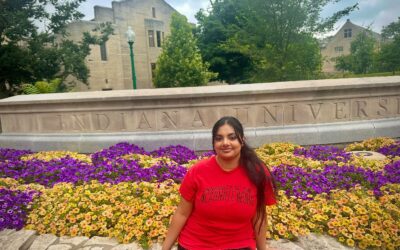
Measuring What Matters: How Alamo Colleges District Is Helping Students Make Every Credit Count
When Tania Kaur enrolled at St. Philip’s College in 2022 after graduating high school a year early, she was looking for an affordable way to begin her higher education journey. What she found was a supportive community of faculty and advisors who helped put her on a...

Bringing Clarity to Student Borrowing
Private student loans can help cover a college financing gap, but students and families need clear information about borrowing costs, loan terms, and repayment before choosing a loan. In this Presidents Forum Podcast, Chance Russell, co-founder and chief business...

Measuring What Matters
Higher education has no shortage of data. The more important question is whether institutions are measuring what truly reflects student success. This October, the Presidents Forum is exploring how colleges and universities can look beyond traditional metrics to better...
ReNEWing the Future of Nursing Through Outcomes-Based Financing
For many aspiring nurses, the greatest barrier is not ability or ambition: it is the cost of completing a demanding program while balancing work and everyday expenses. The ReNEW Fund—short for Reinvesting in Nursing Education and the Workforce—is a partnership between...

Financing Higher Education Innovation That Lasts
How can institutions move innovation beyond the pilot stage? By building the financial model early, aligning resources with strategy, and creating partnerships that help successful ideas scale. Why Sustainable Funding Matters Financing innovation is more than a budget...

The Next Great Partnership in Higher Education: Institutions and AI
By Ashish Fernando, CEO & Founder, EDMO Higher education has never advanced alone. Every era of progress has been a function of partnership, with employers, with communities, with the technologies of the moment. What is different now is the nature of the partner....

What Is Military Tuition Assistance and Why Does It Matter for Workforce Education?
What is Military Tuition Assistance? Military Tuition Assistance (TA) is a federal benefit program that provides financial aid for voluntary, off-duty education programs to active-duty service members. Administered by the U.S. Department of Defense, TA covers up to...

How Partnerships Are Creating New Opportunities for Team USA Athletes
For many Team USA athletes, years of training and competition leave little time to pursue a college degree. As they prepare for life after sport, access to flexible education can make all the difference. Kati Pratt of Purdue Global says the university's partnership...
Why Adult Learners Need a Different Approach
Millions of Americans have some college credit but no credential. Reaching them requires more than reopening admissions, it requires understanding how adult learners navigate higher education. Dr. Kimberly Walker, Vice President of Government Strategy at ReUp...
How Community Colleges Can Help End Intergenerational Poverty
For community colleges, student success is about more than graduation. It's about creating pathways that change the trajectory of families and communities. Mike Flores, Chancellor of the Alamo Colleges District, believes higher education has a unique role to play in...
Student-Centered Design Starts With Simplicity
Student success isn't just about providing more resources—it's about making the path to a degree easier to navigate. David Schejbal, President of Excelsior University, believes today's students, especially working adults, value clarity as much as flexibility. They...

Why Partnerships Are Becoming Essential to Higher Education’s Future
Partnerships are no longer just a strategy for growth—they're becoming a strategy for student success. David Schejbal, President of Excelsior University, believes higher education is entering a period where collaboration between institutions, employers, and other...

Partnerships That Expand Opportunity
As the Presidents Forum moves through August, one theme continues to emerge across our work: partnerships. Through our Innovation Listening Sessions with college and university presidents, we're gathering ideas and insights to help shape our November meeting in...

The Perceived Quality Gap Is Closing: What Employers Really Think About Online Degrees
For years, online education has had to overcome a perception challenge. Many assumed that if students had the option, they would always choose a traditional campus experience, and employers often viewed online credentials as somehow less rigorous or less valuable. But...
AI Agents Are Becoming Every Student’s Digital Guide
Artificial intelligence is changing higher education, but the biggest opportunity isn't replacing people—it's helping institutions deliver more personalized support to every student. In a conversation with the Presidents Forum, Outrival Founder and CEO Ruben Harris...

Rethinking How Students Finance Higher Education
For many students, the biggest barrier to earning a degree isn't getting admitted—it's figuring out how to pay for it. As recent federal policy changes reshape financial aid and today's learners balance work, family, military service, and education, institutions are...
How AI Can Remove Friction From the College Admissions Process
The college admissions process should help students move toward opportunity—not create barriers that slow them down. Ashish Fernando, Founder and CEO of Presidents Forum partner EDMO, believes artificial intelligence can help colleges and universities create a more...

How UMGC’s First Year Experience Program Unlocks Learner Potential
By Nancy Trojanowski, EdD, Chair, First Year Experience, UMGC At University of Maryland Global Campus (UMGC), student success begins with designing every touchpoint around the realities of adult learners balancing careers, families, military service, and education....

Become a Member
Send us your request or questions about joining the Presidents Forum, and our Communications Director will reach out to you about next steps.