

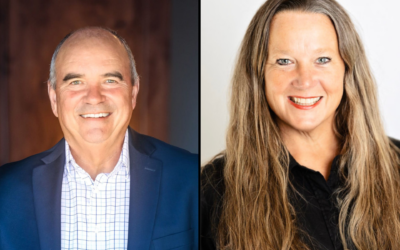
Amy Glynn Joins the Presidents Forum as Policy & Innovation Fellow
Amy Glynn has joined the Presidents Forum as a Policy & Innovation Fellow, a role designed to expand the Forum’s policy capacity and strengthen connections between institutional practice and national higher education conversations. She brings nearly 20 years of...
REQUIRED READING

Recent Stories
Rooted and Relevant: Rebuilding the Adult Learner Ecosystem
By: Justin Lonon America’s economic future hinges on a simple truth: postsecondary credentials are becoming increasingly more relevant. Yet tens of millions of adults remain stranded — without degrees, without pathways and without support. By 2031, 72% of jobs will...

How AI Is Changing the Public Comment Process
Why it matters: Public comments play a real role in shaping federal regulations, but the volume and complexity of those comments make them difficult for institutions to engage with effectively. Thousands of submissions can overwhelm even experienced policy teams. The...

Rethinking Rigor in a System Built on Barriers
Why it matters: Higher education often treats difficulty as evidence of rigor. Over time, that has led institutions to defend complexity and friction, even when those obstacles do little to improve learning or student outcomes. The big picture: Making college easier...

The Learners Workforce Pell Is Meant to Reach
The big picture: Unlike traditional Pell, Workforce Pell targets people already in the workforce or seeking to reenter it. Many are not enrolled anywhere today because long-term programs were never a viable option. Short-term credentials can work for these learners,...

Leading Higher Education Forward in the Year Ahead
Why it matters: Higher education is not in a temporary disruption. It is at a structural inflection point that requires presidents to build new systems that match how learners actually live, work, and learn. The big picture: The Presidents Forum positions itself as a...
Measuring What Students Can Actually Do
The big idea: Technology, especially AI, is making assessment easier, more authentic, and more scalable for adult learners by shifting the focus from seat time to demonstrated skills. Why it matters: Assessment is where most learning friction lives. When done poorly,...

How AI Turned Public Comments Into Policy Insight
Why it matters: Public comment processes shape federal policy, but volume has made them hard to use. AI is changing that. What happened: Analyst Phil Hill used AI tools to analyze all 1,124 public comments submitted to the Department of Education ahead of negotiated...

How WGU’s LERs Power Smarter Pathways for Every Learner
By Scott Pulispher, Western Governors University At WGU, we believe that education must be designed to benefit individuals first and foremost by connecting them with opportunity. After all, when individuals thrive, workforce strength, economic vitality and innovation...

Making Education Work for Working Learners
Q&A with Gregory W. Fowler, PhD, President, University of Maryland Global Campus (UMGC) The question of higher education’s value is front and center for today’s learners andemployers. How is UMGC improving outcomes for adults in the workforce and military? Today,...

Dual Enrollment That Delivers
Weber State shows what early-college innovation can deliver. Their dual enrollment and concurrent enrollment programs give high school students access to real college courses for just $5/credit—and a faster, more affordable path to opportunity. Why it matters: Early...

What Cengage Work Is Watching on Workforce Pell
We spoke with Rya Conrad-Bradshaw of Cengage Work to understand how their organization is approaching Workforce Pell as federal rulemaking begins. Her comments reflect Cengage Work’s perspective and add to the range of viewpoints emerging across the workforce and...

Designing Community Colleges for Today’s Learners
Community colleges are being redesigned for the new majority of learners — working adults, parents, and career shifters. Presidents Kate Smith (Rio Salado College) and Janet Spriggs (Forsyth Tech) explain how. Why it matters: The traditional “full-time, first-time”...
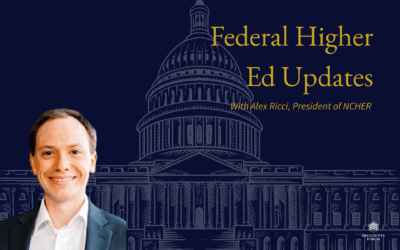
What the RISE Committee’s Consensus Means
Why it matters: The Department of Education’s RISE Committee reached full consensus on major components of the “One Big Beautiful Bill Act,” giving institutions and students early clarity on coming federal aid changes. Loan amounts will scale with enrollment Students...
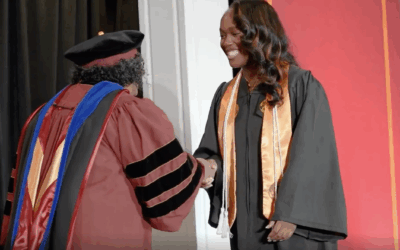
Opportunity in Action: The 3D Scholarship Advantage
A model for access and affordability. Prince George’s County Public Schools, Prince George’s Community College, and the University of Maryland Global Campus are proving what’s possible when systems align around student success. How it works: Up to 50 students enter...

When Compassion Drives Completion
The big picture: Students carry life with them into learning. Family responsibilities, health crises, and loss don’t pause for coursework—and too often, these challenges derail even the most determined learners. Why it matters: Compassionate design in higher education...

Redesigning Affordability to Make College Work for Students
The problem College costs have outpaced earnings for decades, and the system that determines them is too complex for students to navigate. Affordability can’t just mean cutting expenses — it must mean redesigning higher education around the needs of learners. The idea...

Student Voices Matter More Than Ever
The big idea November is all about Student Voices—the stories and perspectives that remind us why innovation in higher education must start with the learner. Why it matters Students are the pulse of every conversation about change. Their lived experiences cut through...

Mastery Over Minutes: Modernizing Federal Aid for Today’s Learners
Why it matters: Higher education still measures learning by time—the Carnegie Unit. But “seat time” doesn’t reflect what students actually know or can do. The shift: Competency-Based Education (CBE) measures mastery, not minutes. It’s built for working parents,...

Become a Member
Send us your request or questions about joining the Presidents Forum, and our Communications Director will reach out to you about next steps.