


Making Degrees More Accessible Through Innovation and Cost Control

Making Degrees More Accessible Through Innovation and Cost Control

Making Degrees More Accessible Through Innovation and Cost Control

The Big Picture

In a candid discussion about higher education’s future, Excelsior University President David Schejbal emphasizes the enduring value of college degrees while highlighting innovative approaches to accessibility and affordability.

Why it matters

As debates around educational credentials intensify, traditional degrees continue to demonstrate strong ROI through higher lifetime earnings and broader societal benefits.

By the numbers:

  • College graduates earn significantly more over their lifetime
  • Higher employment rates among degree holders
  • Better health outcomes and civic engagement
  • Generous credit transfer policies and clear learning pathways prevent wasted credits
  • Excelsior hasn’t raised tuition in 7 years

The bottom line

While alternative credentials gain traction, traditional degrees remain valuable investments, especially when institutions prioritize affordability and accessibility.

Western Governors University: Responsible Borrowing Initiative

Western Governors University: Responsible Borrowing Initiative

Western Governors University: Responsible Borrowing Initiative

The big picture

WGU’s Responsible Borrowing Initiative (RBI) has saved students hundreds of millions in unnecessary debt through a simple but revolutionary approach – informing students about their borrowing and suggesting lower amounts.

Why it matters

With student debt reaching crisis levels nationally, WGU’s program demonstrates how basic information sharing can dramatically reduce student borrowing without any regulatory changes.

The impact

The award-winning program has influenced:

  • Tennessee’s adoption of RBI concepts across public higher education
  • Department of Education’s development of an annual student loan acknowledgment system
  • Multiple states implementing annual student loan notices

What’s next

The College Cost Reduction Act, currently moving through Congress, could adopt similar affordability and accountability measures nationwide.

The bottom line

Simple process changes around debt awareness and responsible borrowing can have massive impacts on student financial outcomes.

Leading Through Change

Leading Through Change

Leading Through Change

The big picture

Presidential transitions create both challenges and opportunities for higher education policy.

Why it matters

The Presidents Forum can shape policy to better serve working learners during this transition period.

Key priorities:

  • Develop actionable recommendations to reduce regulatory burden
  • Champion innovative approaches to education delivery
  • Ensure equitable access and workforce alignment

The bottom line

The Forum’s practical expertise positions it as a crucial voice for underserved learners during this transitional period.

VIDEO 1

Vivamus ac justo dapibus, tempor est laoreet, consectetur enim. Vestibulum vitae eros venenatis quam vestibulum finibus. Duis maximus efficitur elit. Nulla dignissim, nunc ac aliquam cursus, metus erat mattis mauris, et tincidunt mauris augue quis massa. Donec ut elit ut lorem porttitor varius. Aenean eleifend ultricies metus, eu suscipit nisl fermentum sit amet.

RELATED VIDEOS
October Executive Director Update

October Executive Director Update

The big picture Presidents Forum members convene in Boston on Oct. 23–24 for in-person, strategic discussions on AI and institutional strategy, upcoming Negotiated Rulemaking, national enrollment and funding trends, and Executive Branch priorities for 2025. Why it...

U.S. House Committee on Education and the Workforce Roundtable

U.S. House Committee on Education and the Workforce Roundtable

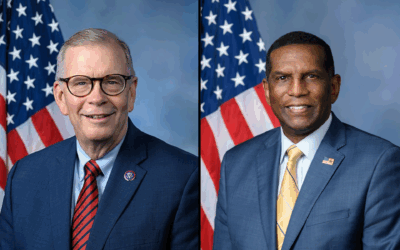
Why it matters: At a House Education & Workforce Committee roundtable in Utah, Chair Tim Walberg and Higher Education Subcommittee Chair Burgess Owens framed Utah’s collaboration culture as a national model for aligning tax policy, school choice, and workforce...

Matching Aptitude to Opportunity

Matching Aptitude to Opportunity

The big picture: Many working learners land in programs that don’t fit and stop out, sometimes multiple times. Why it matters: Aligning education with natural aptitudes boosts persistence, completion, and job readiness while filling talent gaps in tech, manufacturing,...