Rethinking Success with Former Under Secretary James Kvaal

Rethinking Success with Former Under Secretary James Kvaal

Rethinking Success with Former Under Secretary James Kvaal

The Big Picture

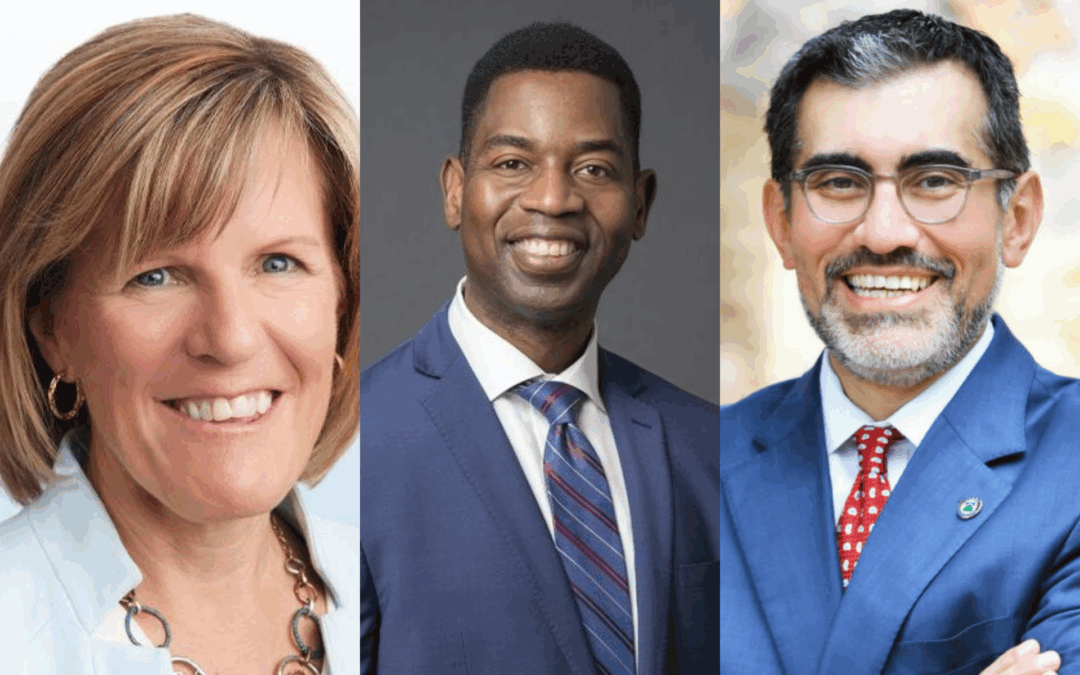
In a conversation between Former Under Secretary James Kvaal and UMass Global President David Andrews, key insights emerged about the evolving landscape of higher education and federal oversight.

Why it matters

The discussion highlights critical challenges in making higher education more accessible and adaptable to modern student needs, particularly for working adults and non-traditional students.

Key takeaways

  • Federal funding flexibility: Current “all or nothing” approach to federal aid needs reform, with potential for “sandbox” programs to test new approaches
  • Innovation barriers: Misunderstandings exist between education innovators and Department of Education staff, suggesting need for increased dialogue
  • Non-traditional students: Average students at institutions like UMass Global are in their mid-30s and working full-time, challenging traditional completion metrics

The bottom line

Success in higher education needs to be measured differently, accounting for diverse student populations and their unique journey paths, rather than traditional metrics like 4-year completion rates.

March Update

March Update

March Update

Why it matters:

The Presidents Forum continues to advance innovation in higher education through policy engagement, new partnerships, and collaborative initiatives focused on student success.

The big picture:

New Department of Education appointments (James Bergeron and Nicholas Kent) create significant opportunities for the Forum to influence policy that impacts students.

What’s next:

The Forum is increasing its policy work and DC presence, with opportunities for members to amplify the collective voice for higher education transformation.

Annual DC Advocacy Meeting

Annual DC Advocacy Meeting

The Presidents Forum is heading back to Washington, D.C. on March 24-25 for our annual advocacy meeting! Last year’s gathering was a tremendous success, bringing together the most forward-thinking educational leaders from across the country to advance higher education policy. Meetings included productive conversations with Under Secretary James Kvaal, the Department of Defense, Congress members, and the National Governors Association.

This year, we’re building on that momentum with high-impact meetings scheduled with congressional leadership, staffers, executive agencies, the National Conference of State Legislators, and the National Governors Association. Our presidents will be advocating for our key commitments:

  • Students First
  • Access for All
  • Accountable Innovation
  • Empowering Working Learners
  • Value-Driven Education
  • Parity Across Modalities
  • Accountability

The 2025 meeting offers invaluable peer-to-peer networking opportunities and a chance to share our innovative vision for the future of higher education with policymakers.

We can’t wait to see what our collective voice will accomplish in D.C.

Driving Change Through Collaborative Projects

Driving Change Through Collaborative Projects

Driving Change Through Collaborative Projects

Why it matters

The Presidents Forum drives major change projects in higher education, focusing on increasing access and improving education quality.

The big picture

Two significant initiatives showcase their impact:

  • NC-SARA: Established oversight for distance education across state lines
  • “Disagree Better”: Partnership with National Governors Association to address national discourse

Bottom line

The President’s Forum continues to demonstrate its commitment to driving meaningful change in higher education, with lasting impact for students across the nation.

Upscaling Careers with Microcredentials

Upscaling Careers with Microcredentials

Upscaling Careers with Microcredentials

The big picture:

Microcredentials are transforming career advancement opportunities in today’s rapidly evolving job market.

Why it matters:

Professionals can now upskill quickly and affordably, meeting industry demands without committing to full degree programs.

The bottom line:

Microcredentials offer a flexible, efficient path for career advancement, allowing professionals to stay competitive in their fields while maintaining work-life balance.

February Update

February Update

February Update

The February update focuses on High Social Value Education and key policy updates, emphasizing both individual success and community impact in higher education.

The big picture:

Presidents Forum is expanding its influence through:

  • New partnerships
  • Policy agenda development
  • Engagement with Department of Education leadership

Coming up:

  • Linda McMahon’s Education Secretary confirmation hearings (mid-February). Senate vote expected by early March
  • DC meeting on March 24-25