
By Gregory W. Fowler, PhD, President, University of Maryland Global Campus
Life happens. We hear that time and again from learners at University of Maryland
Global Campus (UMGC), where the average undergraduate degree recipient is 31
years old. Many are balancing careers, military service, and family responsibilities; they
often come to us with years—if not decades—of on-the-job learning.
Increasingly, employers are playing an important role in helping workers access
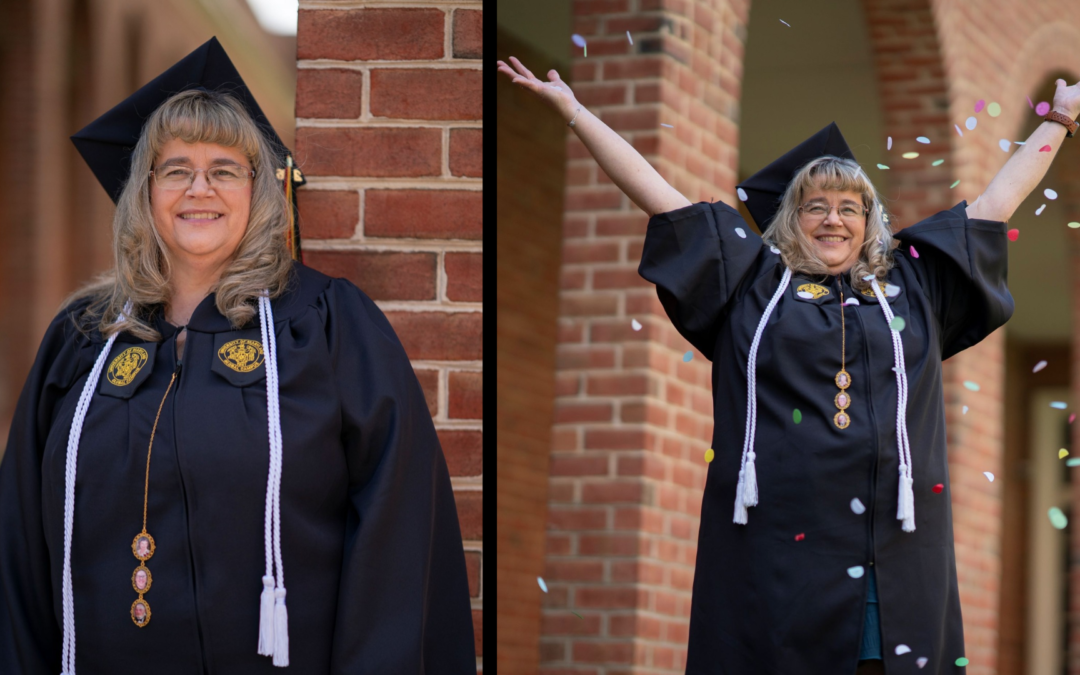
educational opportunities. This spring, a 54-year-old employee of a large retail chain
earned a bachelor’s in human resources from UMGC. She had started working a
second job at her local store to bring in extra income for her young family. Recognizing
the need to create intentional career pathways through education, her employer paid for
her degree through the Guild program, and that second job turned into a promising
career pivot. She now works for them in a full-time HR role.
UMGC and that employer presented an opportunity when the student was ready: on her
timeline, not ours. Workers increasingly need to gain new skills throughout their lives, as
technology advances and demographics shift. Higher education must evolve from being
a destination learners visit once or twice to becoming a lifelong partner. For many adult
students, valuable learning happens in workplaces, military service, professional
training programs, and community settings long before they enter a college classroom.
Higher education should recognize learning wherever and however it occurs.
As an institution built to serve working adults, UMGC has a particular responsibility to
create flexible, workforce-aligned learning opportunities. We offer programs in rapidly
evolving fields, including artificial intelligence and extended reality, that reflect changing
workforce needs. Adult learners often bring professional, military, and life experiences
that enrich classroom discussions and applied learning.
Experience remains one of life’s most effective teachers. We should not require
students to repeat learning they have already demonstrated through service, work, or
professional training. Recognizing prior learning is an important way to help students
build on knowledge and skills they have already acquired. One example is UMGC’s
Credit for Military Rank initiative, which since launch in mid-2024 has already helped
more than 22,000 learners accelerate their progress toward a degree, saving them an
estimated $27.4 million in tuition. The program recognizes leadership, training, and
professional competencies developed through military service and applies them toward academic progress where appropriate. A similar program with law enforcement partners
translates police academy training into college credit.
Some of the most effective learning experiences connect classroom learning with
workplace and community challenges. Employers increasingly value graduates who can
apply knowledge and skills to real-world challenges. Our cybersecurity students
frequently tell us they apply classroom learning directly in their professional roles, often
in near-real-time. That’s by design. Students should graduate with hands-on experience
solving problems employers and communities face today. We see this in emerging
programs such as drones and autonomous systems, where adult learners apply
classroom concepts to fields ranging from first responder operations to construction to
wildlife research.
Students in many disciplines tackle real-world issues through experiential learning,
including capstone courses. Graduate students in environmental management analyzed
data, used mapping technology, and interviewed local officials and residents to develop
practical tools to help a western Maryland county assess and communicate flood risks
to its rural population. Led by faculty who also work in the field, graduate biotechnology
students partner with early-stage companies seeking support for commercialization,
regulatory affairs, clinical development, and market strategy. In cybersecurity, UMGC is
expanding experiential learning through the Forge AI CyberClinic, a supervised
consulting program where teams of learners will deliver cybersecurity and AI readiness
assessments to organizations that might otherwise be unable to afford the service.
Workforce development and reskilling depend on collaborations like these among
employers, training providers, government, and higher education. No single institution
can meet workforce needs alone. We must think beyond the traditional internship model
and meet learners where they are: balancing careers, families, military obligations, and
community responsibilities. Today’s learners increasingly benefit from stackable
pathways that allow them to acquire new skills, demonstrate competency, and continue
progressing toward larger educational goals. They need online, hybrid, and
asynchronous options … and they need support when life happens.
America’s workforce and higher education challenges cannot be solved through
traditional models alone. Reskilling must become continuous, accessible, and
responsive. Institutions should consider success not only in terms of enrollment and
degrees conferred, but by how effectively we help people adapt, advance, and
contribute throughout their lives.
The question is no longer whether people will need to reskill throughout their careers,
but whether our institutions are prepared to help them do so. At UMGC, we believe that
meeting learners where they are, recognizing the skills they already possess, and connecting learning to opportunity is how higher education can build a more resilient
workforce and a stronger nation.
Recent Comments